In my eleven years of navigating the trenches of trade compliance, I’ve sat in too many conference rooms where a supply chain manager looks me in the eye and says, “We’ve always done it this way.” That phrase is the universal red flag for a looming Customs audit. When you rely on historical habits rather than verifiable evidence, you aren’t just inviting a penalty—you’re building a foundation for a potential investigation.

The landscape of global trade has shifted from a policy of "facilitating commerce" to one of aggressive enforcement. With tariffs acting as geopolitical weapons, the misclassification incentive to misrepresent the origin of goods has skyrocketed. But make no mistake: Customs and Border Protection (CBP) has moved far beyond simple desk audits. They are hunting for systemic fraud, and they are getting much better at finding it.
The Evolution of Enforcement: From Tariff Policy to Criminal Intent
For years, companies viewed country-of-origin (COO) as a line item on a commercial invoice—a formality meant to satisfy a warehouse clerk or a logistics coordinator. Today, origin is the gatekeeper of market access. When the U.S. imposes Section 301 tariffs on specific origins, every container arriving at a U.S. port is a high-stakes bet.
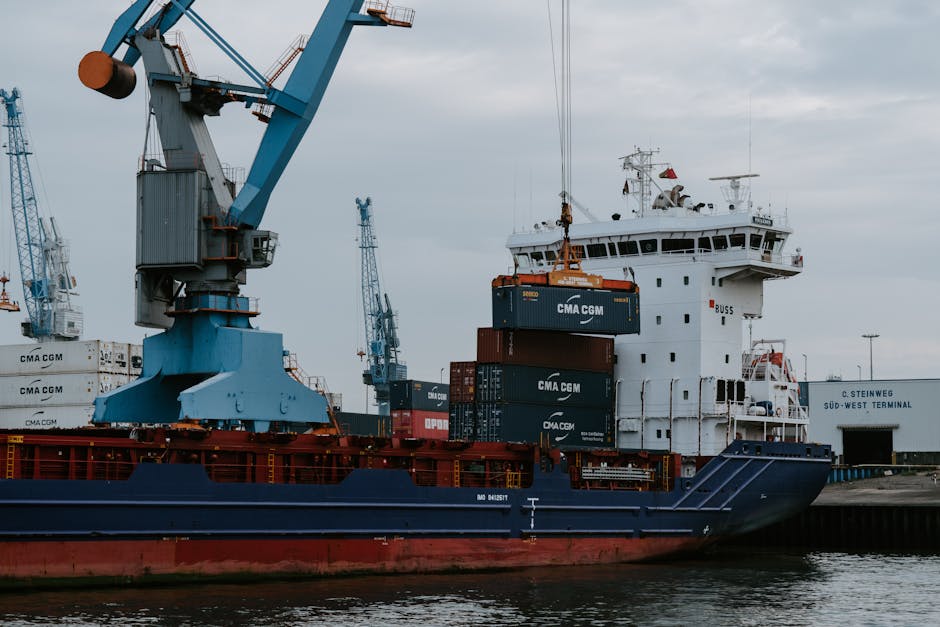
Legal takeaway: "Country of Origin" isn't just a label; it’s a legal declaration of where your product achieved its "substantial transformation."
CBP uses advanced data analytics to cross-reference your entries against global shipping patterns. If you claim your finished goods are from Vietnam, but your bill of materials shows the primary manufacturing steps occurring in a facility subject to heavy tariffs, the algorithm flags you before the ship even clears the breakwater. They aren't looking at your labels; they are looking at your supply chain’s DNA.
Common Schemes: Why Businesses Gamble with Compliance
When companies attempt to dodge tariffs, they usually fall into one of two traps. First, they conflate labeling with origin rules. Just because you stamped "Made in Vietnam" on a product doesn't mean you've met the legal threshold for origin under U.S. law. Second, they attempt simple transshipment, where goods are routed through a third country with a "re-labeling" stopover in a warehouse.
This is where the distinction between a **classification error** and **origin fraud** becomes vital. A classification error is a mistake in HTS code selection—perhaps you categorized an electronic component under the wrong heading. Origin fraud, however, is a deliberate, falsified claim meant to evade duties. One is a conversation with a Customs broker; the other is a conversation with the Department of Justice.
The Danger of "Hand-Wavy" Sourcing
I’ve audited countless invoices that claim "Made in X" with absolutely no evidentiary support beyond the vendor’s word. In the eyes of a regulator, a vendor’s vague assurance is not proof. You need a paper trail that demonstrates the actual transformation process.
Verification Method Why It Matters Bill of Materials (BOM) Proves where the actual labor and manufacturing took place. Affidavits of Origin Creates a chain of liability back to the raw material supplier. Factory Floor Records Evidence of the "substantial transformation" process.
The False Claims Act and the Rise of the Whistleblower
If you think your trade compliance is only under the microscope of CBP, think again. The False Claims Act (FCA) has turned every employee—and every competitor—into a potential auditor. Whistleblowers, often disgruntled employees or third-party contractors, can file *qui tam* suits on behalf of the government. If they can prove you knowingly evaded duties through false origin claims, they stand to share in the recovery.
This means your "we've always done it this way" policy is now visible to the people on your payroll who know the truth. When you ignore compliance, you aren't just taking a risk with the government; you are placing your company’s survival in the hands of anyone who has seen the actual invoices.
Supply Chain-Wide Scrutiny: Third-Party Liability
The days of blaming the broker are over. Under the principle of "reasonable care," the importer of record is responsible for the accuracy of every entry. You cannot outsource your compliance liability to a third party. If your broker files a claim based on documents you provided—even if you "didn't know"—the government expects you to have the manufacturing location proof to back it up.
Legal takeaway: You are liable for the accuracy of your declarations, regardless of which third-party broker or logistics provider you use.
How the "Paper Trail" Leads to Detection
When Customs conducts a review, they don't just ask for a statement. They follow the money. They examine:
Invoices: Do they show payments to a factory in a country that contradicts the declared origin? Purchase Orders: Do the manufacturing requirements match the customs declarations? Logistics Data: Do the transit times and routing support the claim of substantial transformation in a specific country?Conclusion: From "Checked Box" to Core Competency
If you are still relying on a "we've always done it this way" approach, you are walking into a minefield. The shift toward strict origin fraud detection means that the burden of proof has shifted entirely onto the importer. It is no longer enough to have a document that says "Made in X." You need the manufacturing location proof that validates that claim at every step of the value chain.
Stop treating compliance as a cost center or a box-checking exercise. It is a critical layer of risk management. If you cannot prove your origin claims with more than just a label on a box, you aren't compliant—you’re just waiting for your audit notice to arrive.
Editor’s Note: If your current supply chain documentation is nothing more than a collection of invoices with "Made in" stamps, start your internal review today. You don’t want to explain your sourcing strategy to an investigator after the fact.